Laser-induced breakdown spectroscopy (LIBS)with its advantages of no sample preparation, sensitivity from trace to major element levels, and spatially resolved analysis capability, is a direct method for elemental analysis of solid materials. However, LIBS in the traditional optical range (UV-IR) suffers from insufficient precision, rooted in:
(1) high continuum background;
(2) poor repeatability of plasma optical emission.
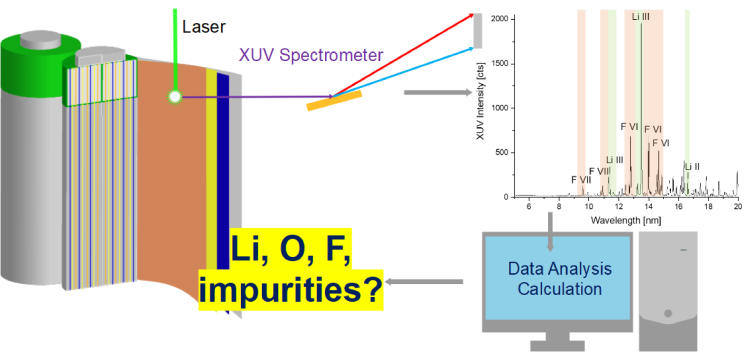
By acquiring signals in the X-ray band using a self-developed extreme ultraviolet spectrometer, Davide Bleiner's team successfully broke through this technical bottleneck.
Figure 3 Shows XUV spectra of elements such as Li, O, and F in a cylindrical battery measured by laser-induced extreme ultraviolet spectroscopy
Studies show that due to hydrodynamic expansion effects, plasma emission exhibits significant instability, and this expansion process dominated by flicker noise is particularly unfavorable for spatially resolved analysis of heterogeneous samples.
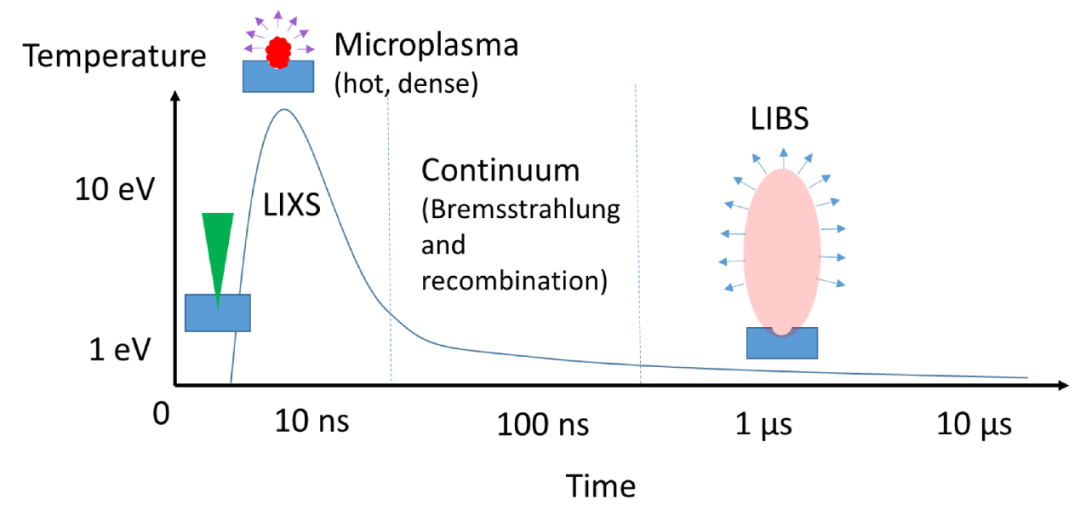
Figure 4 Qualitative temperature evolution of laser-induced plasma
Figure 4 above reveals the qualitative temperature evolution of laser-induced plasma. The plasma temperature determines the spectral emission range (kT = 1 eV corresponds to approximately 11,600 K). During the irradiation phase, the plasma is in a high-temperature, high-density state, emitting soft X-rays; after several nanoseconds of expansion and cooling (after the laser pulse ends), the emission spectrum is dominated by strong continuum, requiring a delayed acquisition time to allow the background signal to decay.
The soft X-ray and extreme ultraviolet (XUV) radiation produced by high-density laser-induced plasma exhibits high consistency and reproducibility. Therefore, laser-induced extreme ultraviolet spectroscopy (LIXS), as an upgraded version of LIBS technology, can effectively suppress flicker noise and significantly improve analytical precision.
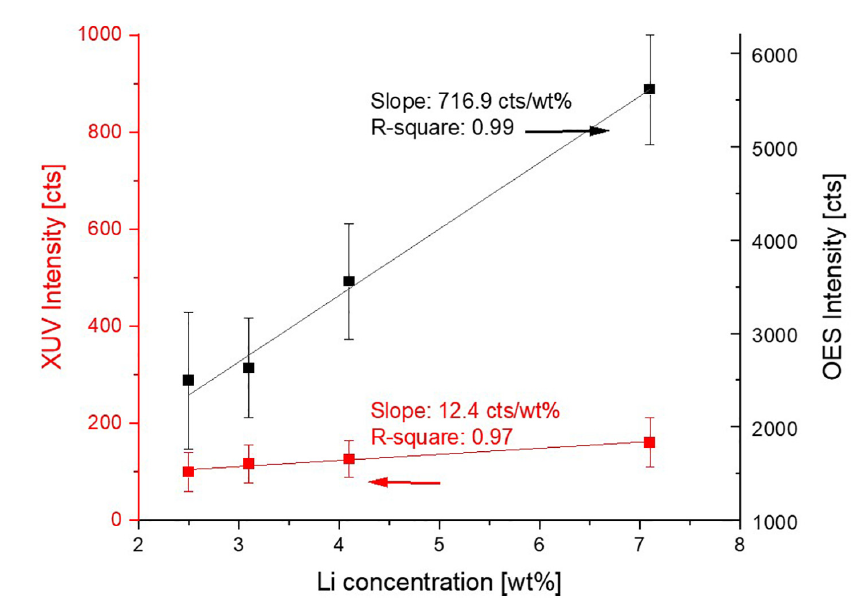
Quantitative analysis of lithium manganese oxide samples (shown in Figure 5 below) verified the application potential of LIXS. Such energy materials require compositional uniformity and the ability to identify impurities and heterogeneous phases in a single measurement. Although increased sensitivity may compress the dynamic range, LIXS greatly expands the dynamic range while reducing sensitivity—since the background noise is negligible, this does not affect the detection limit.
Figure 5 Calibration curves of Li content versus XUV intensity and UV-VIS intensity
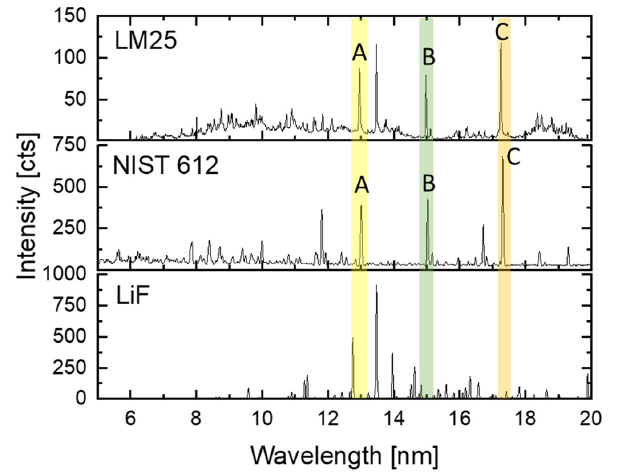
Figure 6 XUV spectra of LM25 (Li2O+Mn3O4), NIST glass 612 (a glass support matrix containing 61 trace elements, with standard composition ratios: silica 72%, sodium oxide 14%, calcium oxide 12%, alumina 2% by mass) and LiF samples. The three spectral lines A, B, and C arise from O VI transitions. The wavelengths of lines A, B, and C are 12.99 nm, 15.01 nm, and 17.31 nm, respectively. In LiF, the O VI emission lines show no features of oxidation effects.
As shown in Figure 6 above, the research also successfully demonstrated oxidation characteristic fingerprints: three O-VI characteristic emission lines at 12.99 nm, 15.01 nm, and 17.31 nm were observed in the oxidized region (Figure 5b), while this feature was not found in lithium fluoride. In short, LIXS, as a new evolution of LIBS microanalysis technology, combines the technical advantages of high precision and wide dynamic range.
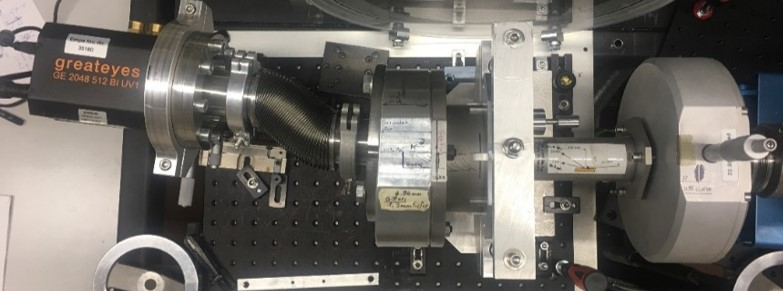
Figure 7 Self-developed extreme ultraviolet flat-field spectrometer based on the Harada design
As shown in Figure 7 above, Professor Davide Bleiner and his team built the spectrometer based on theXUV flat-field grating spectrometer configuration published by Tatsuo Harada of Japan and his team in 1984. This type of spectrometer featureswide spectral coverage, high resolution, and high sensitivity.
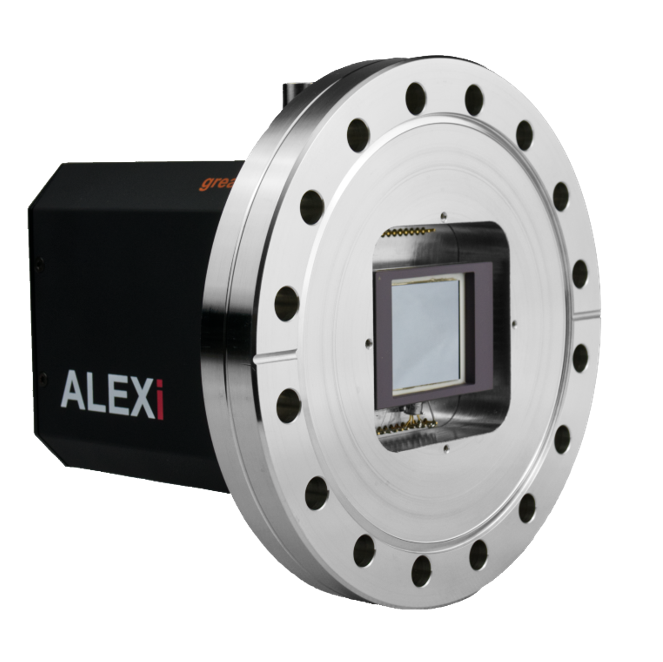
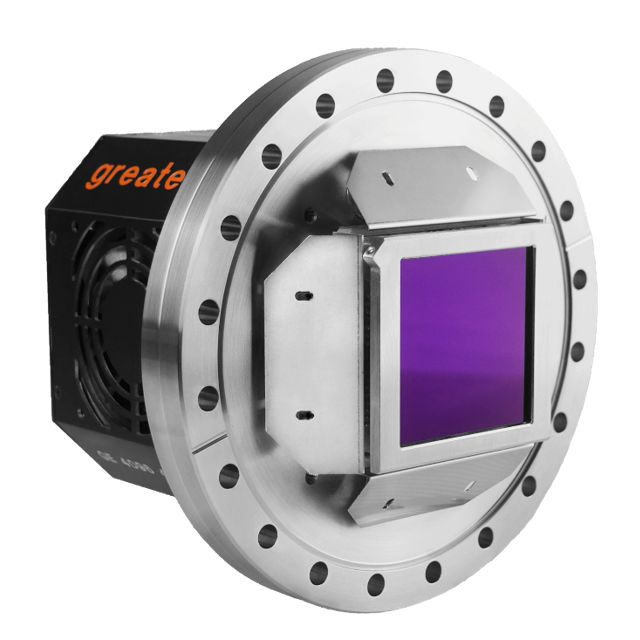
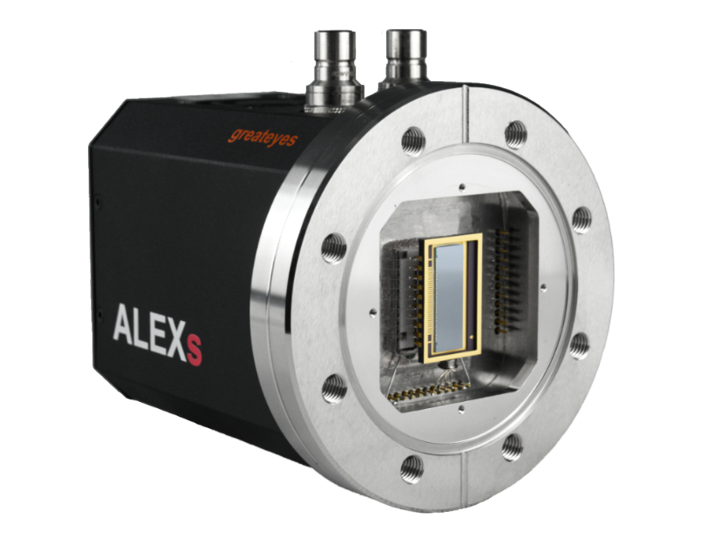
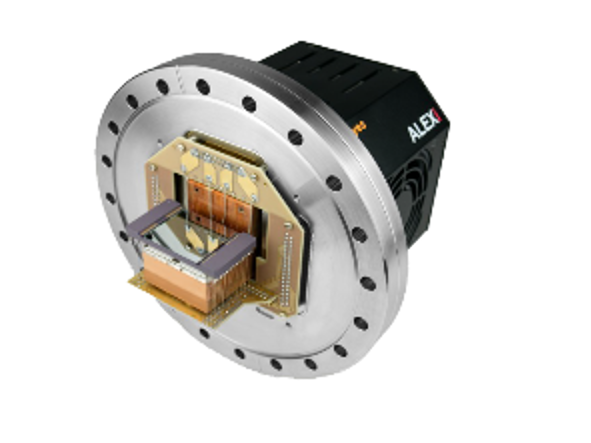
The XUV camera used is the scientific-grade, deeply cooled, full-frame rate extreme ultraviolet and X-ray CCD camera from the Germancompany, represented byTop Unistar.greateyesCurrently, the camera has been upgraded to theALEX series(the Berlin TV Tower and Alexanderplatz below it are symbols of Berlin, called "Alex" by Berliners; the ALEX series cameras, born in Berlin, Germany, are named after this).Figure 8 Berlin TV Tower (the tallest building in Germany)
Figure 9 ALEX series XUV and X-ray camera physical images
Copywriting: Kevin
Bleiner, D., Rameshbabu, S. and Von Ballmoos, J., 2025. Fingerprinting materials oxidation using laser-induced XUV spectroscopy (LIXS). Analytical and Bioanalytical Chemistry, pp.1-13. https://doi.org/10.1007/s00216-025-06067-9
Rameshbabu, S. and Bleiner, D., 2025. Radiative recombination as a transient spectroscopic fingerprint for sample oxidation using laser-induced XUV spectroscopy (LIXS). Spectrochimica Acta Part B: Atomic Spectroscopy, 229, p.107203. https://doi.org/10.1016/j.sab.2025.107203
Bleiner, D.; Qu, D.; Kraft, K.; Shlyakhtun, O. Laser-induced XUV spectroscopy (LIXS): from fundamentals to application for high-precision LIBS. Spectrochim. Acta B 2023, 204, 106668 (12 pp.). https://doi.org/10.1016/j.sab.2023.106668
Borgschulte, A.; Billeter, E.; Cesarini, A.; Hemani, Y.; Knobloch, M.; Kraft, K.; Longo, F.; Masucci, C.; Nikolic, M.; Qu, D.; et al. Imaging the chemistry of materials kinetics. Chimia 2022, 76 (3), 192-202. https://doi.org/10.2533/chimia.2022.192
Qu, D.; Bleiner, D. High-precision micro/macro-analysis with laserinduced XUV spectroscopy (LIXS). Chimia 2022, 76 (1-2), 153. https://doi.org/10.2533/chimia.2022.153
Qu, D.; Trottmann, M.; Wyder, C.; Bleiner, D. Dual spectrometer for simultaneous visible and exterme ultraviolet LIBS. In International conference on X-ray lasers 2020, presented at the XVII international Conference on X-ray lasers, Switzerland, December 8-10, 2020; Bleiner, D., Ed.; Proceedings of SPIE; SPIE: Bellingham, WA, USA, 2021; Vol. 11886, p 118860X (7 pp.). https://doi.org/10.1117/12.2594458
Qu, D.; Ohannessian, N.; Wyder, C.; Trottmann, M.; Wichser, A.; Lippert, T.; Bleiner, D. High-precision mapping of fluorine and lithium in energy materials by means of laser-induced XUV spectroscopy (LIXS). Spectrochim. Acta B 2021, 181, 106214 (7 pp.). https://doi.org/10.1016/j.sab.2021.106214