

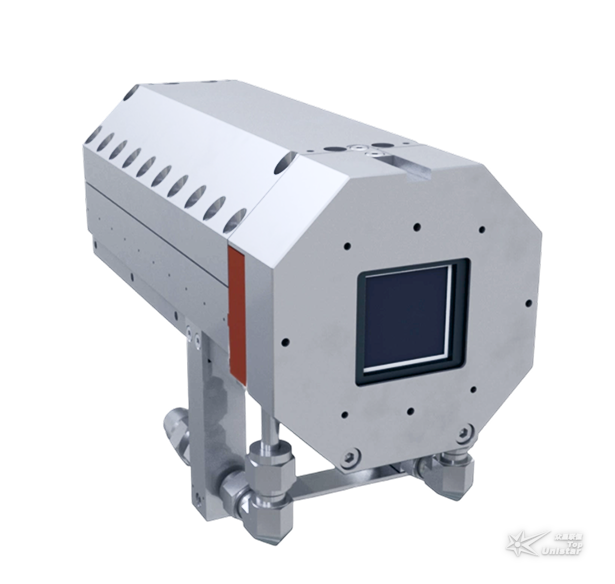
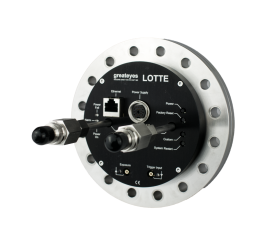


EUV / Soft X-ray In-Vacuum CCD Camera - LOTTE-i Imaging Series
Developed in Berlin, LOTTE is the latest innovation from German company greateyes, designed as an in-vacuum camera for spectroscopy and imaging in the extreme ultraviolet, vacuum ultraviolet, and X-ray energy ranges. LOTTE integrates state-of-the-art low-noise electronics and ultra-low-temperature cooling technology while maintaining a compact and lightweight design.
Model: LOTTE-i系列
Brand: greateyes

Introduction
Originating from Berlin, LOTTE is the latest development by the German company greateyes, an in-vacuum camera for spectroscopy and imaging in the extreme ultraviolet (EUV), vacuum ultraviolet, and X-ray ranges. LOTTE integrates state-of-the-art low-noise electronics and ultra-low-temperature cooling technology while maintaining a compact and lightweight design. The new design allows flexible selection of readout speeds from 50 kHz to 5 MHz. The 18-bit analog-to-digital conversion utilizes the full dynamic range of the CCD sensor to achieve better performance and a higher signal-to-noise ratio. To match the requirements of different applications, the camera offers a variety of sensor types for user selection. Additionally, LOTTE's low noise makes it the ideal camera for extremely weak signal conditions, bringing unprecedented possibilities to your spectroscopy and imaging research.
Features & Advantages
Specifications
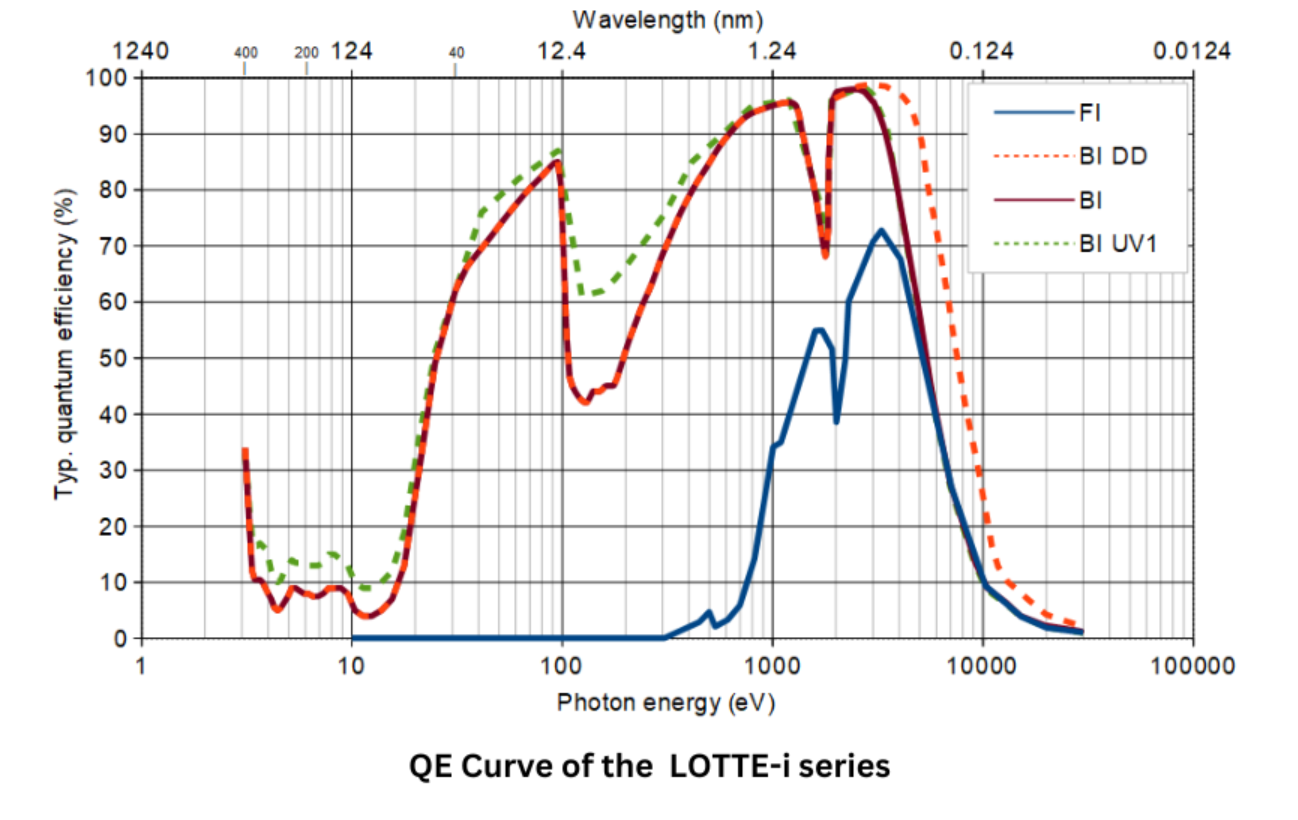
Quantum efficiency
General Parameters
Literature
1 references found
Quantum electrodynamics (QED), the quantum field theory that describes the interaction between light and matter, is commonly regarded as the best-tested quantum theory in modern physics. However, this claim is mostly based on extremely precise studies performed in the domain of relatively low field strengths and light atoms and ions1,2,3,4,5,6. In the realm of very strong electromagnetic fields such as in the heaviest highly charged ions (with nuclear charge Z ≫ 1), QED calculations enter a qualitatively different, non-perturbative regime. Yet, the corresponding experimental studies are very challenging, and theoretical predictions are only partially tested. Here we present an experiment sensitive to higher-order QED effects and electron–electron interactions in the high-Z regime. This is achieved by using a multi-reference method based on Doppler-tuned X-ray emission from stored relativistic uranium ions with different charge states. The energy of the 1s1/22p3/2 J = 2 → 1s1/22s1/2 J = 1 intrashell transition in the heaviest two-electron ion (U90+) is obtained with an accuracy of 37 ppm. Furthermore, a comparison of uranium ions with different numbers of bound electrons enables us to disentangle and to test separately the one-electron higher-order QED effects and the bound electron–electron interaction terms without the uncertainty related to the nuclear radius. Moreover, our experimental result can discriminate between several state-of-the-art theoretical approaches and provides an important benchmark for calculations in the strong-field domain.
Selection Guide
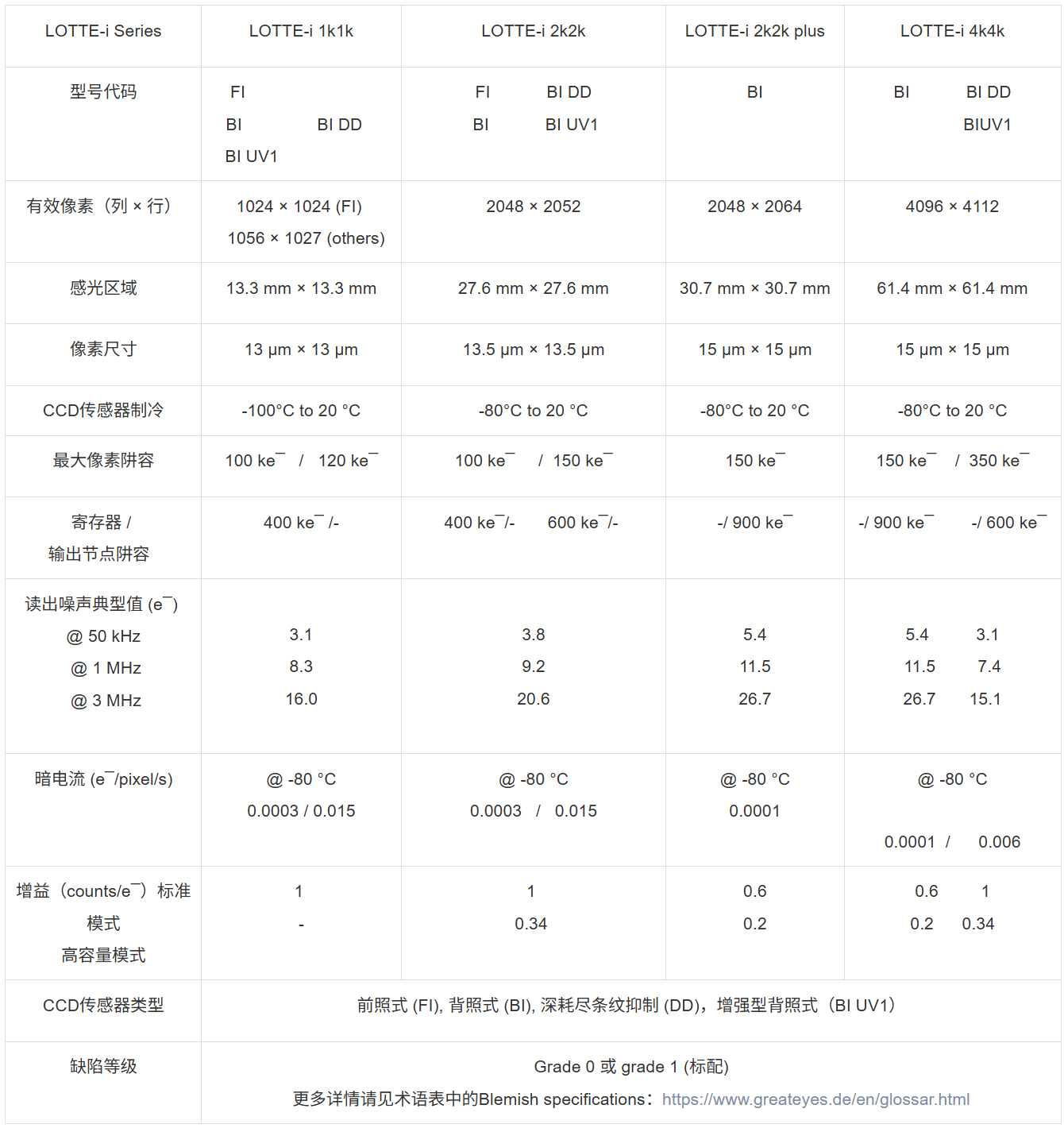
Select camera model
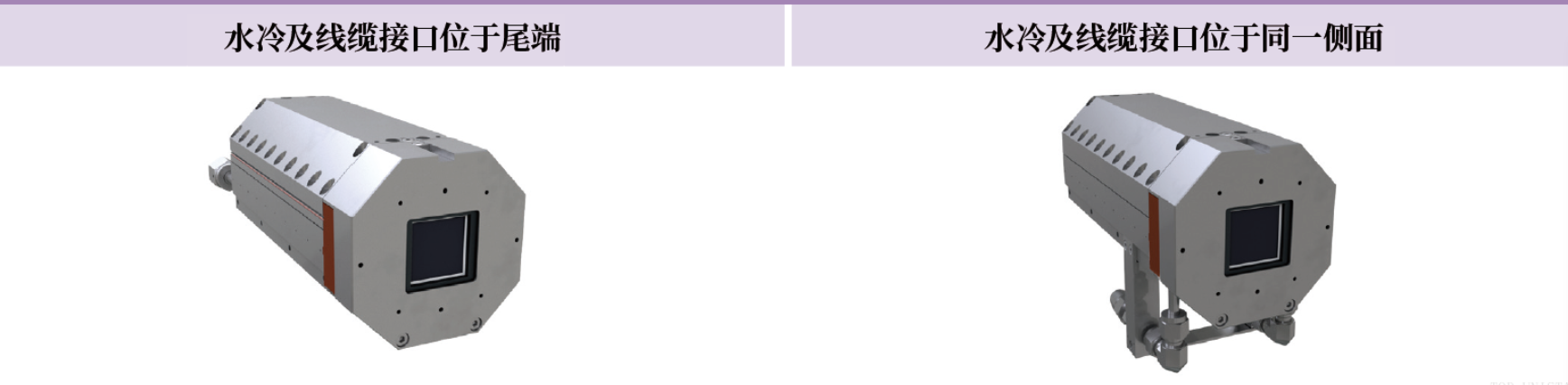
Select flange type
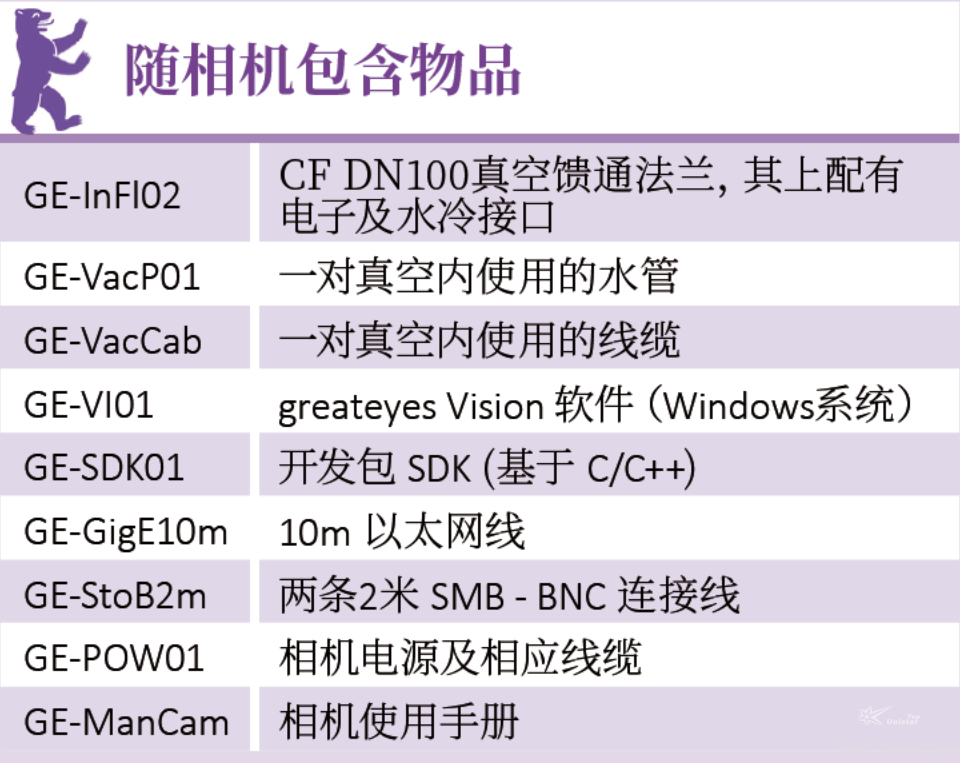
Camera standard accessories
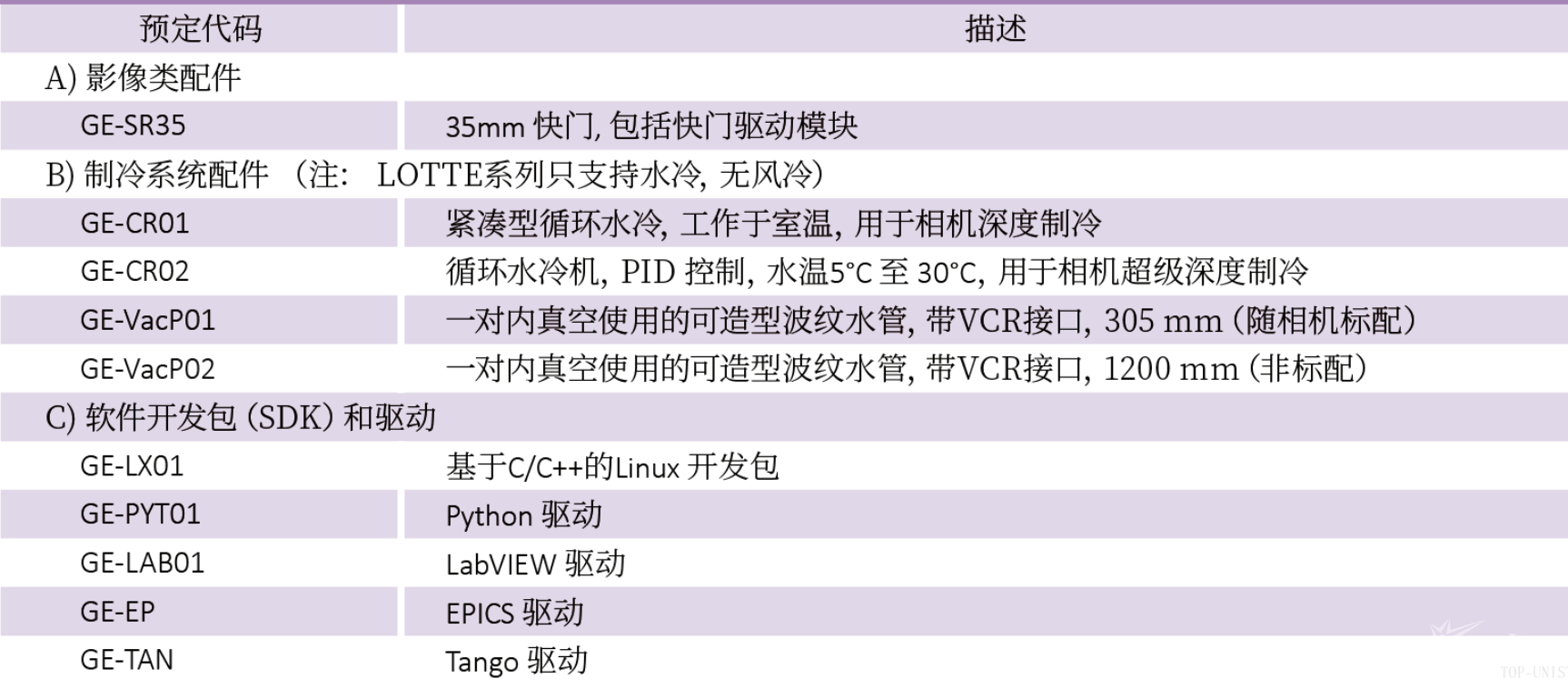
Optional accessories and software
Typical Applications
Extreme ultraviolet (EUV) lithography
X-ray tomography / fluorescence imaging
Fourier transform holography
X-ray diffraction
X-ray phase-contrast imaging
Grazing-incidence small-angle X-ray scattering (GISAXS)